
Understanding Omersa Originals
The worldwide success of Omersa has, over time, led to many leather animals appearing that draw inspiration from our classic designs.
During the mid-1960s through to the late 1980s, a number of skilled manufacturers in Spain and Italy produced leather animals using similar traditional techniques. These earlier pieces often share a comparable look and feel to Omersa animals, with subtle differences in proportion, detailing, and finish. We regard these period contemporaries as authentic expressions of the craft of their time and, in their own right, pieces to be appreciated and treasured.
The Omersa Badge
Omersa is the only surviving member of the original group of leather animal craftsmen and today holds a long-established reputation built on decades of knowledge, skill, and continuity of practice.
Since 2017, every animal produced by Omersa carries an OMERSA badge discreetly sewn into the underbelly, together with the year of manufacture. This permanent mark provides clear and unambiguous provenance for each piece.
Animals made prior to 2017 do not bear a permanent identifying mark. However, through extensive in-house knowledge developed over many decades, we are often able to offer an informed assessment based on construction, materials, form, and detailing.

Modern Reproductions
From time to time, contemporary leather animals appear online described as Omersa originals, despite not being made by Omersa and not belonging to the historic period of leather animal craftsmanship.
These pieces are modern reproductions, not vintage works. They differ significantly in both construction and technique when compared with traditional Omersa animals.
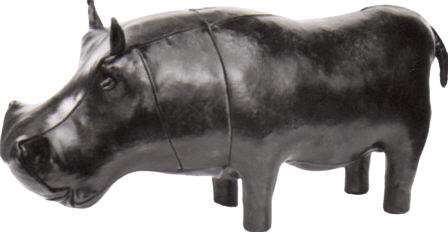
In this example, the animal is produced using an internal mould, over which a thin layer of leather is stretched and bonded into place. This method allows for a wide range of animal forms to be produced with a uniform appearance, but it is distinct from the hand-built, stitched, and shaped construction used in Omersa’s workshop.
Understanding these differences in method and material helps collectors and customers distinguish between Omersa originals, period contemporaries, and later reproductions.
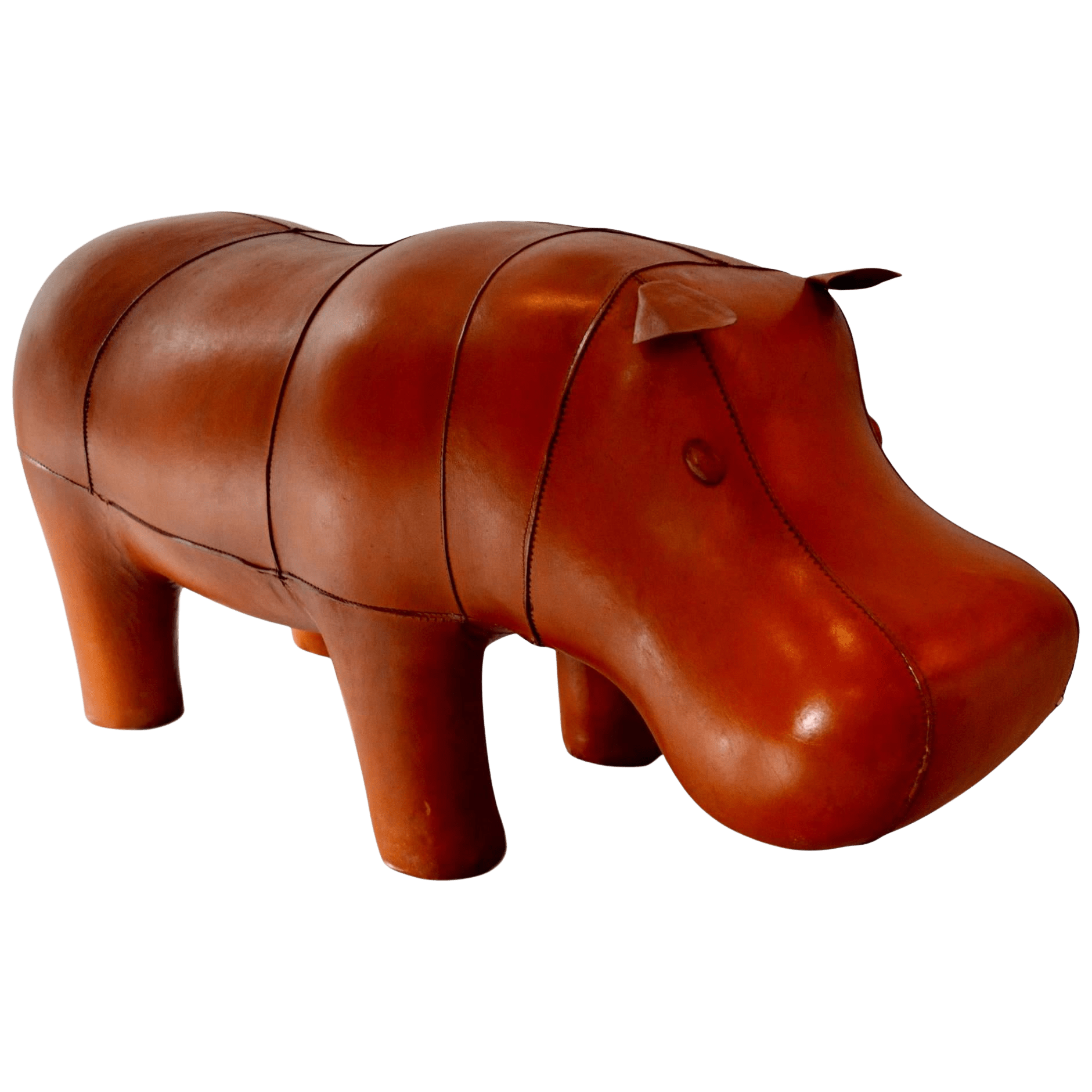
Key Characteristics of an Omersa Original
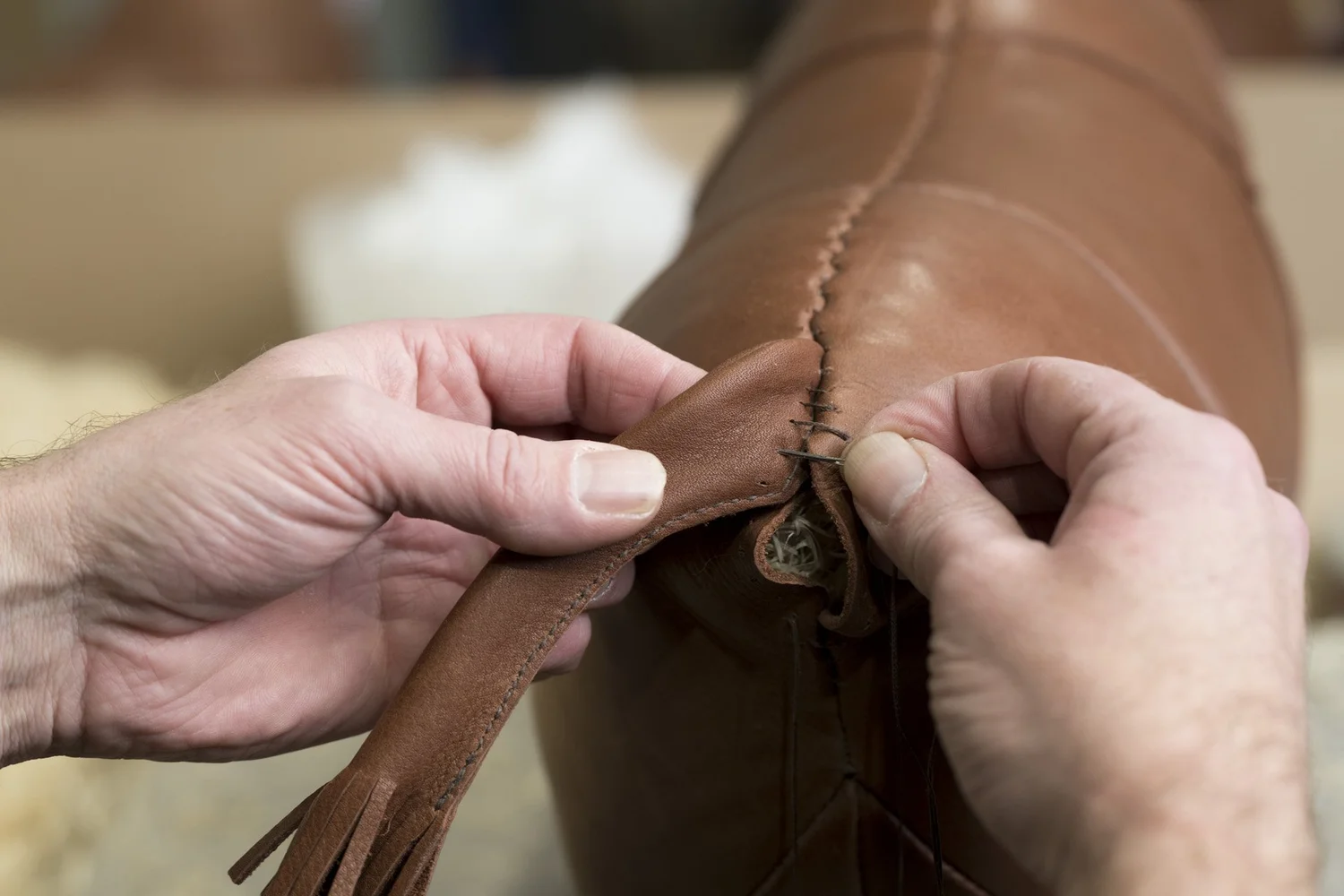
All of Omersa’s animals are machine-sewn along every seam except the backbone.
Our hand stitches along the backbone are evenly spaced, longer in length than machine stitch and have a slight curve to them.
Anything too wavy, gappy or zig-zagged is not an Omersa stitch.
Any leather animal you find that does not match this style is likely to have been made by another manufacturer.
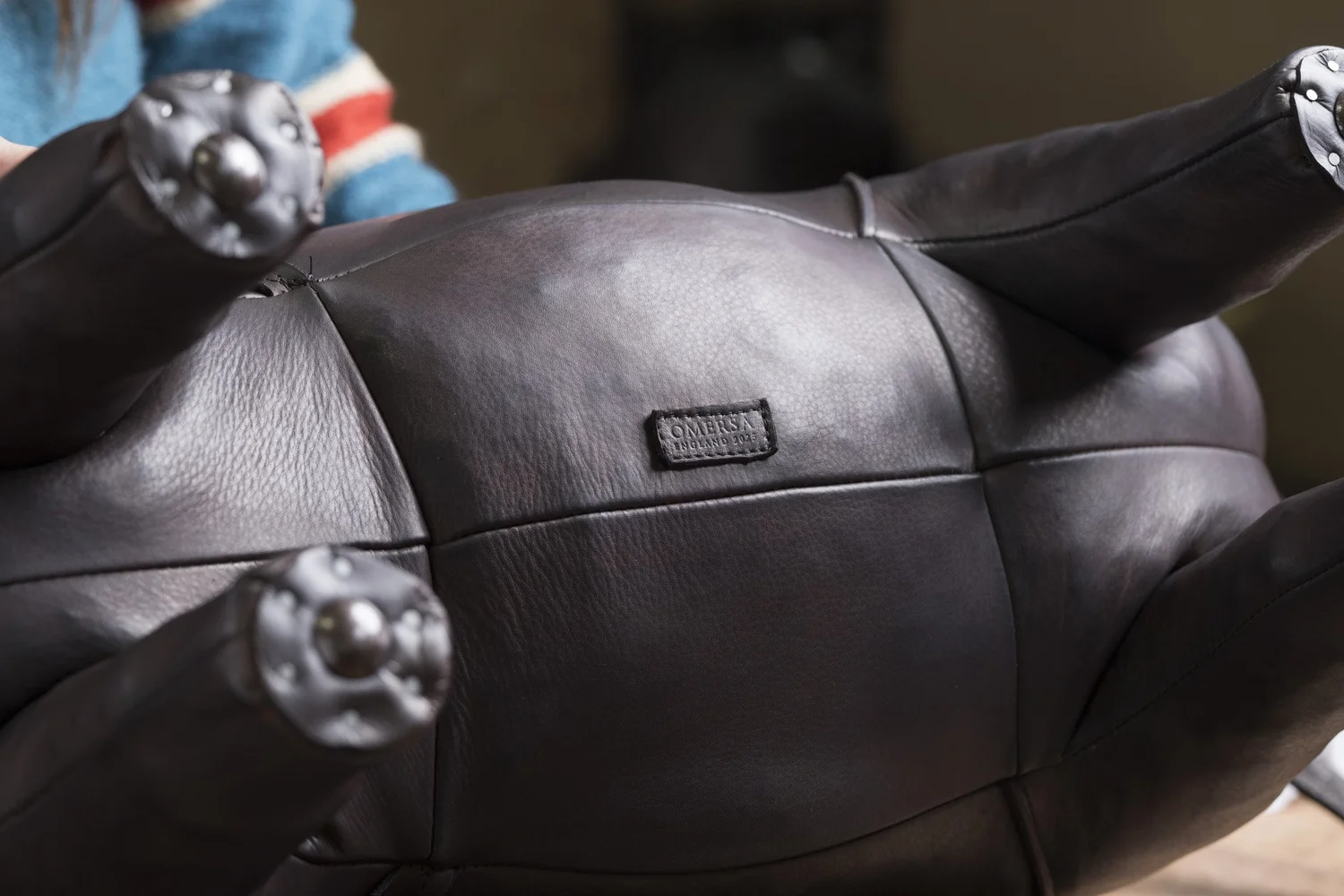
All Omersa pieces, with the exception of our miniatures, have a footpad on the underneath of the foot. The miniature pieces just have a central pin.
Some vintage animals do not have footpads with nails or a pin. The round pad is glued in to place and in other instances there is a flat block underneath the footpad. These are indentifiers that the product has NOT been made by Omersa.
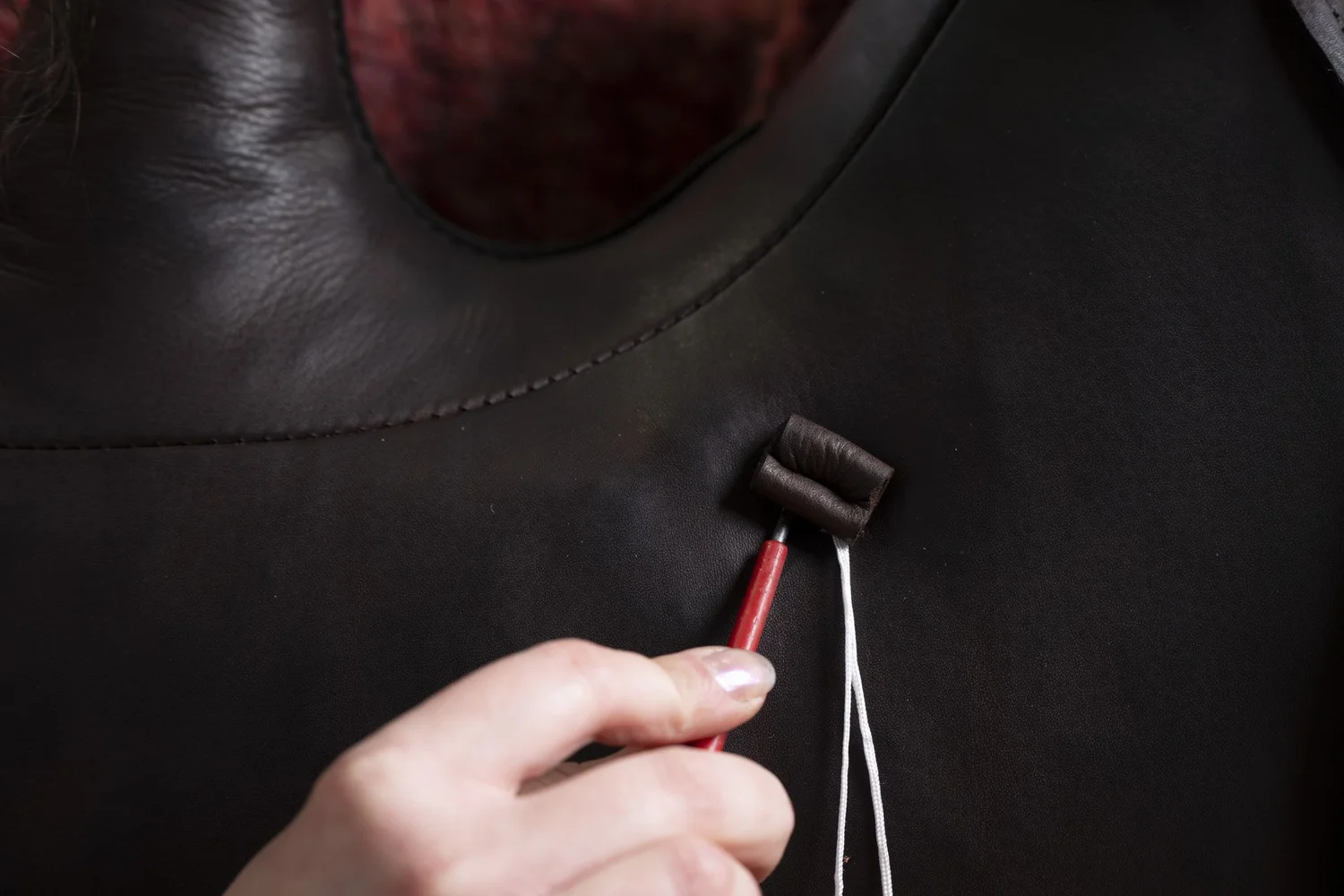
The “eye” of the animal is made up from offcuts of leather. This rolled up style has been used throughout our history and is a key feature of an Omersa animal. Omersa has NEVER used round flat pieces of leather to make the “eye”.
NOTE: our miniature animals and some of our aquatic range have eyes made from knots of leather.